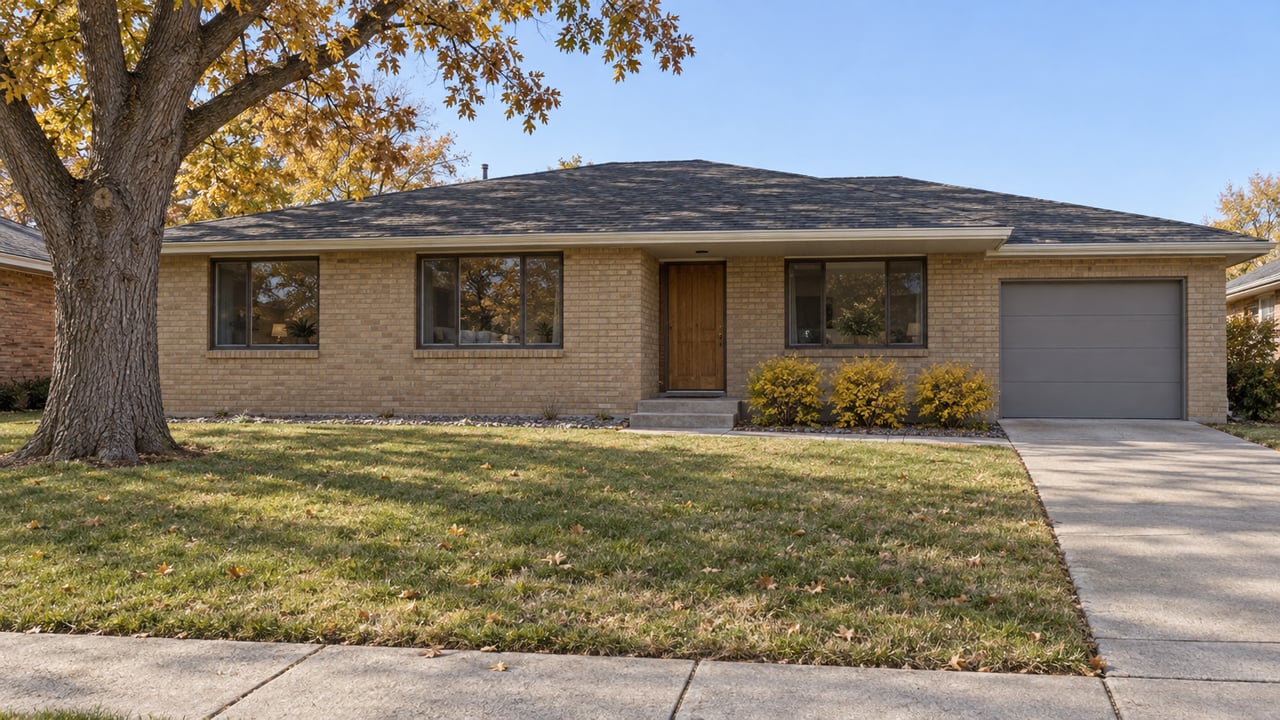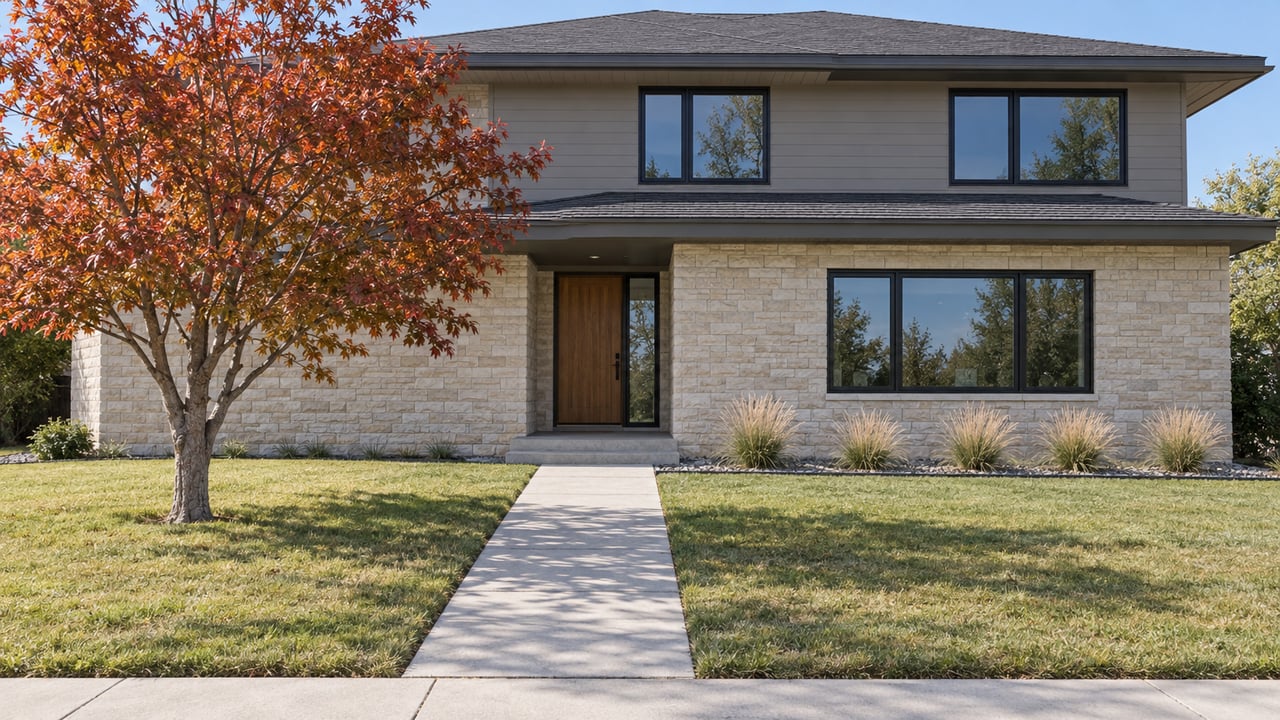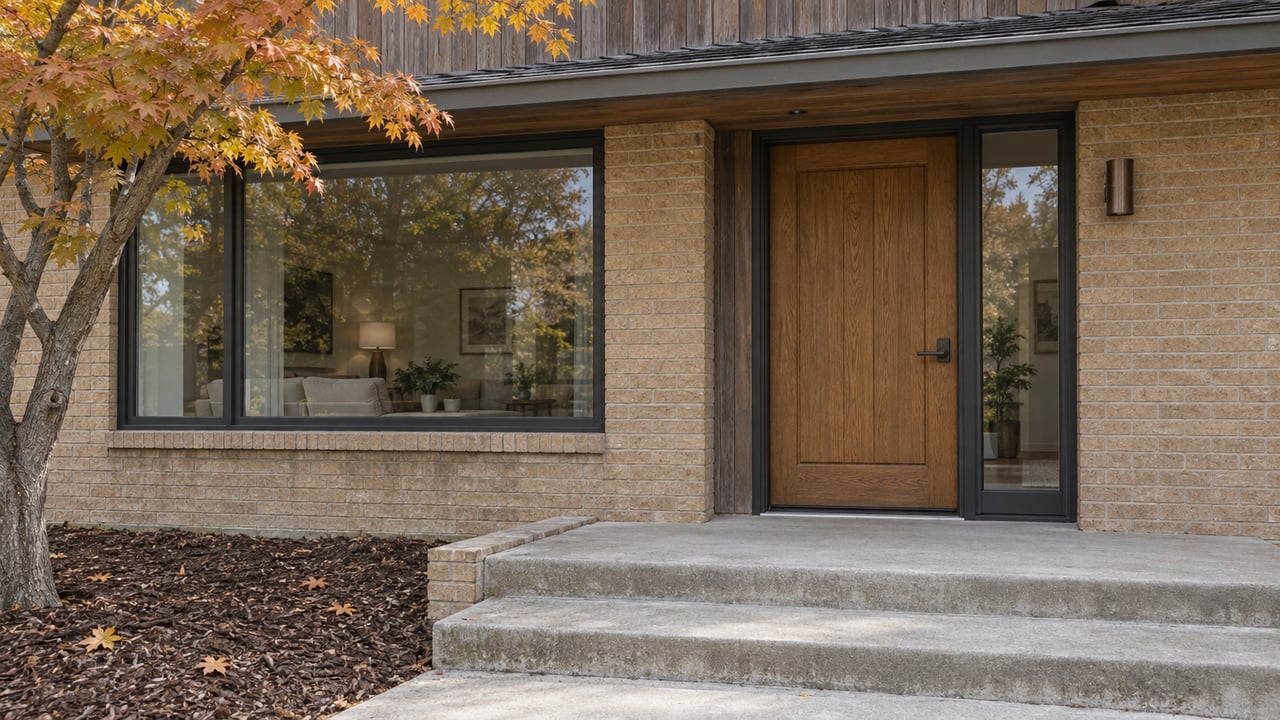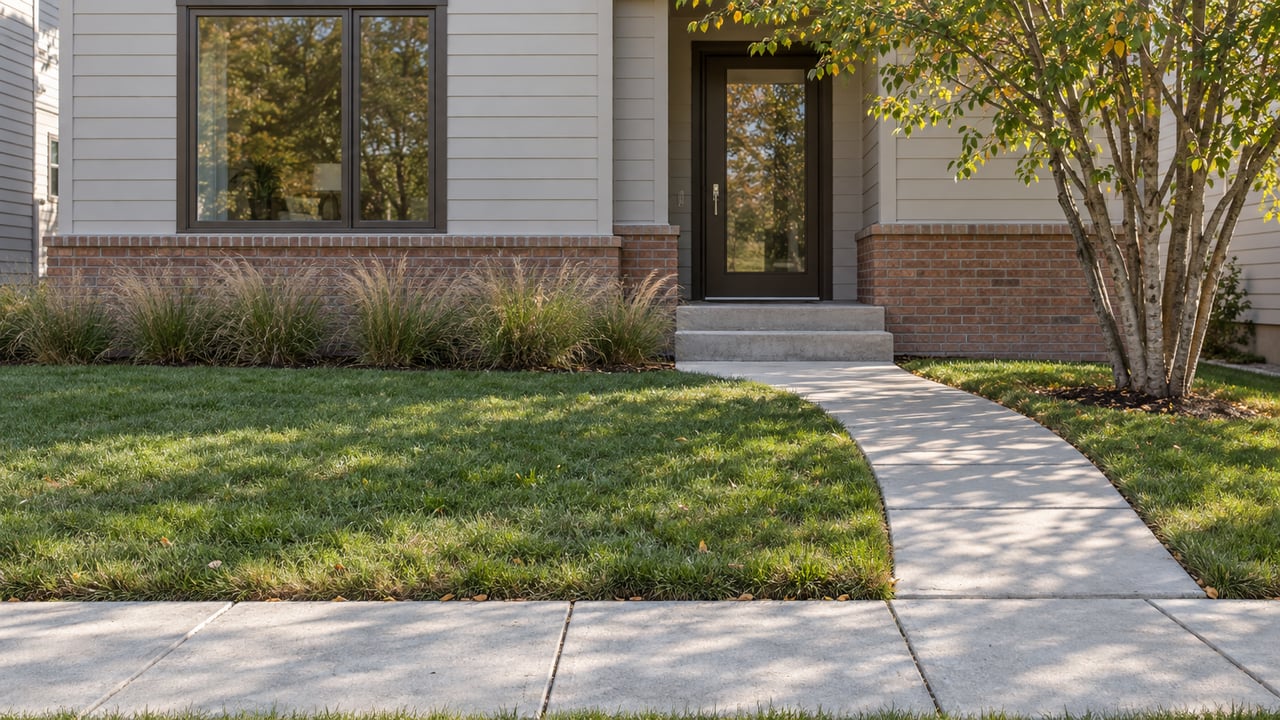
Selling in Willow Creek can feel like a juggling act: pricing, prep, marketing, showings, and negotiations all at once. You want a strong sale price, minimal stress, and a smooth timeline that works for your move. In this guide, you’ll get a clear, practical 7-step plan our team uses to prepare, list, and sell homes in Willow Creek with confidence. Let’s dive in.
Step 1: Market assessment & pricing
Pricing sets the tone for your entire sale. Start with a Comparative Market Analysis of recent nearby sales and active competition that match your home’s size, condition, and features. Factor in seasonality, buyer demand, and appraisal risk if many buyers are using financing.
- Review 3 to 6 recent comparable sales and relevant active/pending listings from the local MLS.
- Adjust for condition, square footage, lot size, beds/baths, updates, and amenities.
- Choose a pricing strategy: price to market, slightly under to spark activity, or higher if you have a unique property and time.
Our approach blends on-the-ground insight with data to position your home for qualified traffic and strong offers.
Step 2: Disclosures & documentation
Getting your paperwork ready early prevents delays later. Every state has different disclosure requirements, so prepare the forms used in your jurisdiction and gather property records.
- Assemble deed, tax bill, permits, warranties, HOA documents, utility averages, and any surveys or floor plans.
- If your home was built before 1978, you must provide the federally required lead-based paint disclosure and any available reports. Review the guidance from the EPA on real estate lead disclosures.
- Confirm local disclosure rules and timelines through your state’s real estate commission or standard forms.
Being thorough builds trust with buyers and shortens the path to closing.
Step 3: Pre-inspection & key repairs
A pre-listing inspection can surface issues buyers will likely flag and gives you time to address them on your terms. Focus on safety, systems, and items that can affect lending or insurance.
- Prioritize roof, HVAC, plumbing leaks, electrical hazards, foundation concerns, and any active pest damage.
- Decide repair vs. credit based on cost, timing, and market conditions; keep receipts and permit records for completed work.
- If your area requires specific hazard disclosures or tests, plan those now to avoid surprises later.
Taking care of obvious red flags reduces renegotiation risk after you’re under contract.
Step 4: Staging, photos & listing prep
Online presentation is your first showing. Clean, declutter, and stage to make rooms feel open and inviting, then capture it with high-quality visuals.
- Deep clean, depersonalize, and remove excess furniture; refresh landscaping and exterior touchpoints.
- Use professional photography and add a floor plan or 3D tour when possible. Clear, factual listing copy should highlight recent upgrades, energy features, and functional spaces.
- Prepare a one-page property features sheet for showings.
Small, focused updates and great media drive more clicks, more tours, and better offers.
Step 5: MLS launch & marketing
Launch on the MLS with complete, accurate data, then maximize exposure across approved channels. Consistent, targeted outreach helps convert interest into showings.
- Go live on the MLS and confirm syndication to major consumer portals per MLS rules.
- Schedule broker and public open houses if appropriate; install a compliant yard sign and lockbox.
- Run targeted social ads, email your agent network, and engage local channels or community newsletters when they align with the property’s profile.
We monitor engagement and feedback in real time, adjusting messaging or pricing if the market signals a shift.
Step 6: Offers, terms & contract
When offers arrive, you’ll evaluate more than price. Look at net proceeds and terms to understand your true bottom line and risk profile.
- Compare inspection, appraisal, and financing contingencies; confirm the buyer’s pre-approval strength and earnest money.
- Evaluate timing needs, rent-backs, closing costs, and any credits requested.
- Use escalation clauses and negotiation leverage thoughtfully to protect both price and certainty.
The goal is a signed contract that balances top-line price with a smooth path to closing.
Step 7: Inspections, appraisal & closing
Once under contract, you’ll move through diligence and lending milestones. Stay proactive to keep everything on track.
- Buyer inspections typically occur within 5 to 10 days; prepare for repair requests or credits.
- The appraisal follows after loan application; if value comes in low, be ready with comps and documentation for updates or improvements.
- Title clears liens and easements; you’ll coordinate final utilities, HOA transfers, and closing signatures.
For a plain-language overview of the closing process, review the Consumer Financial Protection Bureau’s closing guide.
Local checks for Willow Creek
Every Willow Creek home is unique, and local requirements matter. These checks help reduce risk and surprises:
- Hazard mapping: Verify your property’s flood status using the FEMA Flood Map Service Center. If the home is in a high-risk zone and the buyer uses a federally backed mortgage, flood insurance may be required.
- Wildfire and environmental items: If your state or county has wildfire disclosures or defensible-space requirements, confirm what applies. In some regions, radon, well, or septic testing and disclosure may be typical.
- Permits: Confirm that past renovations were permitted and finalized. If unpermitted work exists, weigh options for correction or clear disclosure.
- HOA logistics: If your home is in an association, request CC&Rs, rules, fees, and any transfer or estoppel requirements early. Some HOAs restrict signage or showing schedules.
Proactive local due diligence keeps your timeline predictable and buyer confidence high.
Seller costs and taxes
Plan your budget and your net proceeds before you list. Typical seller costs may include:
- Real estate commission, which is negotiated with your listing broker.
- Title and escrow fees, transfer taxes if applicable, prorated property taxes, and any HOA transfer costs.
- Pre-listing inspection, repairs, staging, and move-out expenses.
If you’re selling a primary residence, you may qualify for the federal home sale gain exclusion. Review the IRS rules in Publication 523: Selling Your Home. Keep records of your purchase, closing costs, and capital improvements; these can adjust your cost basis.
Your next step
You deserve a streamlined plan, clear advice, and strong representation. Our family-led team pairs neighborhood-level expertise with attentive, high-touch service to help you prepare, price, and market your Willow Creek home for the strongest outcome.
Ready to talk strategy or get a free value estimate? Reach out to Gerlock Homes to request a no-pressure consultation.
FAQs
How should I price my Willow Creek home?
- Use a recent Comparative Market Analysis of similar nearby sales and current competition, then choose a strategy that balances speed, exposure, and appraisal certainty.
How long does it take to sell in Willow Creek?
- Timelines vary by market conditions and property type; marketing can take days to a few months, and financed purchases typically close in about 30 to 45 days after contract.
Which repairs should I handle before listing in Willow Creek?
- Prioritize safety and system items like roof, HVAC, plumbing, electrical, foundation, and pest issues; cosmetic updates can help presentation, but focus first on deal-breakers.
What disclosures are required when selling in Willow Creek?
- Requirements depend on your state and local laws; all sellers of pre-1978 homes must provide the federal lead-based paint disclosure and any available reports.
Do I need to stage my home for a Willow Creek sale?
- Staging, deep cleaning, and decluttering help photos and showings, which can increase buyer interest and support stronger offers.
How do I estimate my net proceeds from a Willow Creek sale?
- Subtract commissions, closing costs, prorated taxes, loan payoffs, and any credits from your expected sale price; ask your agent for a sample net sheet to run scenarios.
What should I expect during closing after my home goes under contract?
- Plan for buyer inspections, appraisal, title work, and final signatures; the CFPB’s closing guide outlines typical steps and timing.