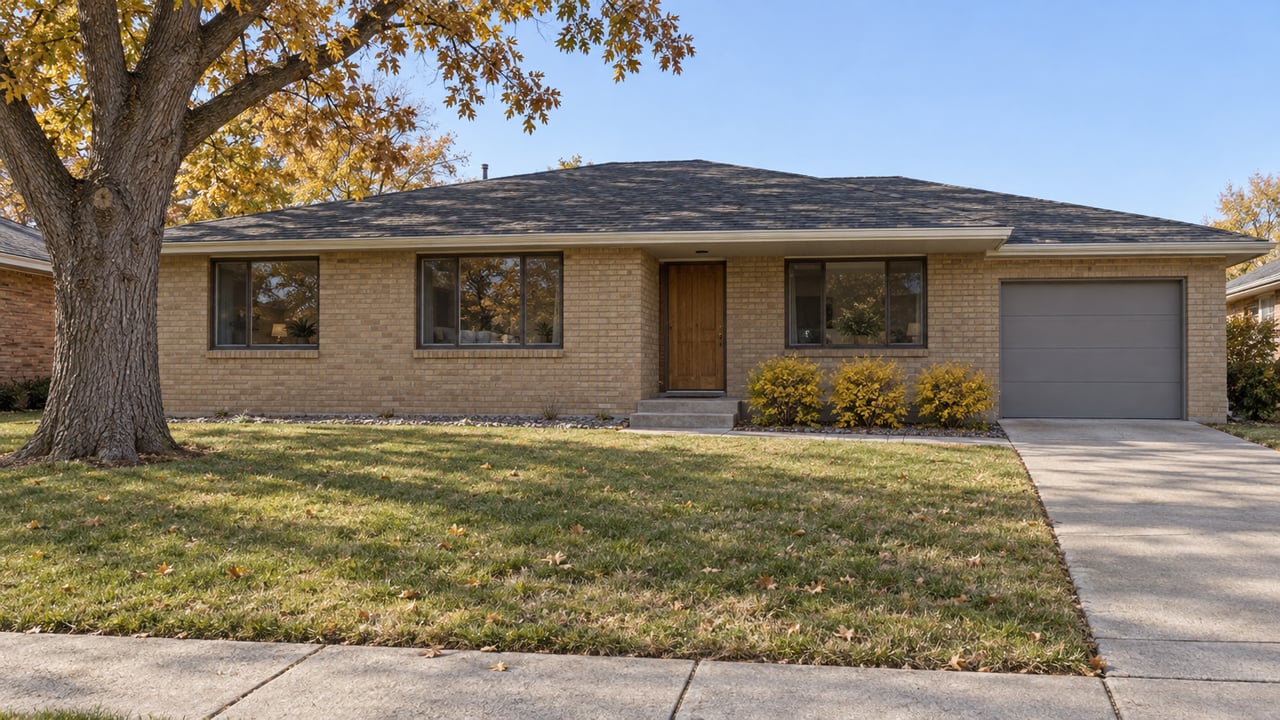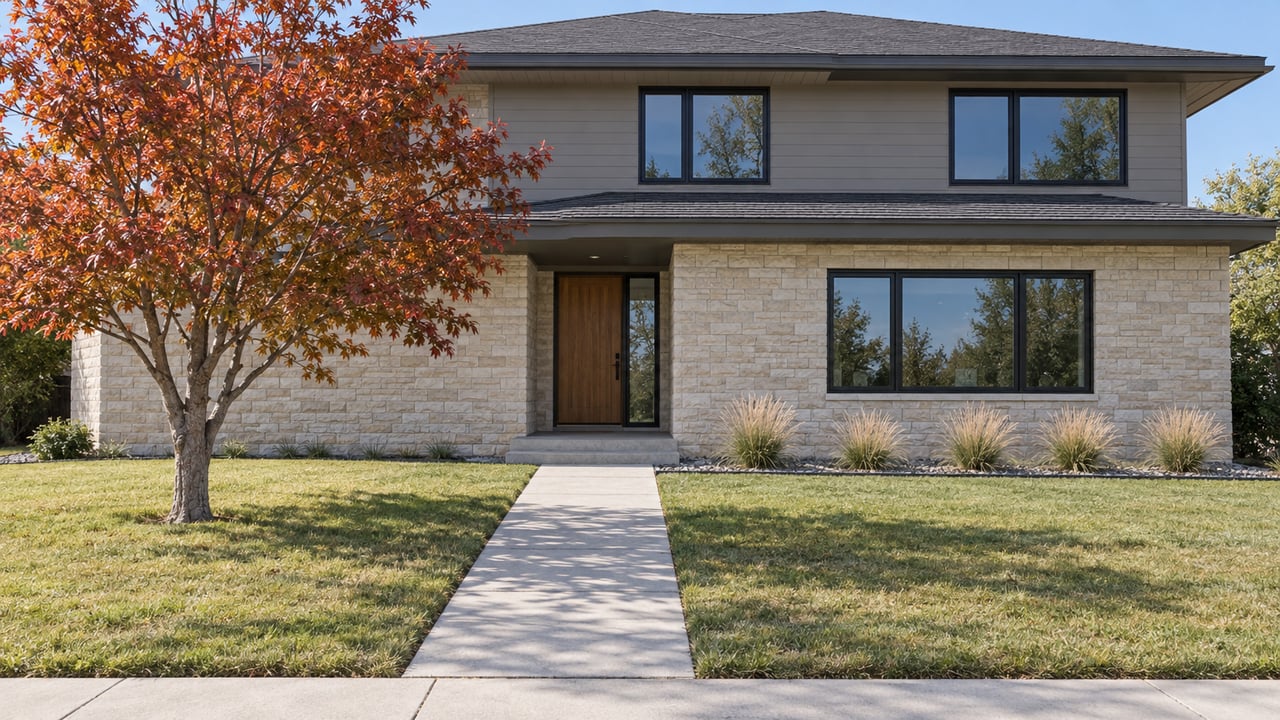
Two listings in Piney Creek, priced within a few thousand dollars of each other, same square footage, same era of construction, same general finish level. A buyer comparing them on paper would reasonably assume they're shopping for the same thing. Then a phone call to the second seller's agent turns up a detail that never made it into either listing description: that particular filing isn't part of the Recreational Association, so the pool, clubhouse, and tennis program aren't included. Access would mean signing a use agreement and paying an annual fee on top of whatever HOA dues are already quoted.
That's not a hypothetical scenario. It's how Piney Creek's HOA structure actually works, and it's the kind of detail no median price will ever surface for you.
The Line No Listing Sheet Draws
Piney Creek is a 700-acre planned community in Centennial built out to roughly 1,851 homes, running from the Aurora line on the north down to East Orchard Road, with Buckley Road as the eastern edge and the Glen subdivision marking the west. Within that boundary, the HOA governs exterior changes across the board. Every homeowner needs Architectural Control Committee approval before repainting, replacing a roof, installing a fence, or reworking landscaping, regardless of which filing the address sits in.
Recreational amenities are a different story. Piney Creek's own HOA discloses that some maintenance filings are not part of the Recreational Association, the entity that operates the clubhouse, the seasonal pool, and the tennis program. Owners in those excluded filings can typically only get pool access by signing a separate use agreement and paying an annual fee, a detail confirmed by the HOA itself and easy to miss when a buyer is comparing listings on price alone.
The tennis setup layers in one more wrinkle worth knowing before you assume anything is universal. The program runs through Parker Racquet Club rather than directly through the HOA, and the neighborhood has eight courts total, six of them lighted. That's a real, well-resourced amenity, but it's managed by a third party, which is one more reason to confirm access in writing rather than assume it transfers automatically with the sale.
Five Market Snapshots, Different Measures
Part of why this amenity split hides so easily is that the headline number buyers see online moves depending on where they look and what window that source is measuring. Pulling several of them side by side from the past year makes the pattern obvious.
| Source | What it measured | Time window | Figure |
|---|---|---|---|
| Homes.com | Median sale price, sold listings | Trailing 12 months | $720,000, down 4% year over year |
| Homes.com | Median sale price, neighborhood overview | Trailing 12 months | $730,000, flat year over year |
| Homes.com | Median list price / average sale price | September 2025 snapshot | $765,000 list / $756,578 average sale |
| Redfin | Median sale price | March 2026 | $745,000, 11 days on market |
| Movoto | Median list price | October 2025 | $775,000, down 5% year over year |
None of these numbers is wrong. They're measuring different things: list price versus sale price, a rolling 12 months versus a single month's snapshot, median versus average. The active inventory during roughly this same period ranged from the mid-$400,000s up past $1.3 million, which tells you the spread comes from more than finish level and lot size. It also comes from which bundle of amenities a specific address happens to carry.
Once you know that the Recreational Association is optional by filing rather than universal by neighborhood, the width of that range starts making a lot more sense. A home outside the association isn't necessarily a worse home. It might just be missing a line item that a comparable home a few streets over includes automatically.
One More Name Collision to Watch For
If your search turns up a listing labeled Piney Creek Ranches, that's worth a second look before you compare it against anything above. Piney Creek Ranches is also in Centennial, near the Chapparal neighborhood, but it's a separate, unrelated community with acre-plus lots and custom estate homes, some of them carrying no HOA at all. The overlapping name is a coincidence, not a shared association, shared dues structure, or shared amenity package. Pricing data for one tells you nothing reliable about the other.
Inside the core Piney Creek HOA, buyers will also see sub-area names on individual listings, such as Piney Creek Village, The Knolls at Piney Creek, and the Hilltop enclave. These are marketing names for pockets within the larger community rather than separate HOAs, but they're still worth asking about specifically, since the Recreational Association question applies at the filing level, not at the neighborhood level as a whole.
What to Actually Ask Before You Compare Two Listings
A buyer's agent walking a client through Piney Creek should be confirming a short, specific list before putting two properties side by side on price:
- Which filing does this address sit in, and is that filing a member of the Recreational Association?
- If it isn't, what is the current annual fee for a use agreement, and does that agreement transfer to a new owner or need to be renewed at closing?
- Has the home had any exterior work in recent years, and is there documentation of ACC approval for it?
- Is tennis access included through Parker Racquet Club, or does that require a separate arrangement as well?
- Is the listing actually inside the Piney Creek HOA boundary, or is it a similarly named property like Piney Creek Ranches that has nothing to do with this association?
Getting clear answers to these before writing an offer turns a price comparison based on square footage into one based on what you're actually buying.
What's the Same No Matter Which Filing You're In
Not every amenity in the area runs through the HOA, which is a relief for buyers who land outside the Recreational Association. Cherry Creek State Park sits adjacent to the neighborhood, a 4,200-acre recreation area with an 850-surface-acre reservoir and 35 miles of trails, open to any Piney Creek resident regardless of filing. Closer to home, Doug's Day Diner and the retail cluster around Pioneer Hills, including a Sprouts Farmers Market, serve the whole area the same way for everyone. Those pieces of daily life don't come with a use agreement attached.
The pool does, sometimes. That's the detail worth running down before you assume two similarly priced Piney Creek homes are buying you the same neighborhood.
Frequently Asked Questions
Does every Piney Creek home pay the same HOA dues? Base HOA dues cover the shared structural requirements, like the ACC approval process for exterior changes, across the whole community. Recreational Association membership and its associated costs are a separate layer that applies only to certain filings, so total carrying costs can differ even between two homes with similar base dues.
How do I find out if a specific address belongs to the Recreational Association before making an offer? The seller's HOA documents, typically part of the disclosure package, will show which association the property belongs to. Asking the listing agent directly and requesting written confirmation before your offer deadline is the more reliable route, since amenity access can be easy to misstate informally.
Is Piney Creek Ranches the same HOA as Piney Creek? No. Piney Creek Ranches is a separate community in Centennial, near the Chapparal neighborhood, with larger, acre-plus lots and, in some cases, no HOA at all. Price and amenity data for one doesn't apply to the other, even though the names look nearly identical in a search.
If you're comparing homes in Piney Creek and want someone to walk through the filing, the association status, and what's actually included before you make an offer, Gerlock Homes is glad to help. Request a free home valuation or schedule a no-pressure consultation, and we'll get you the specifics before the price does the talking for you.
This article is general information, not legal, tax or financial advice. Consult a qualified professional about your situation.